SECTI N 1 • L W TEMP E RATURE C KI N G I N T R DU C TI N
3.
LOW TEMPERATURE COOKING INTRODUCTION
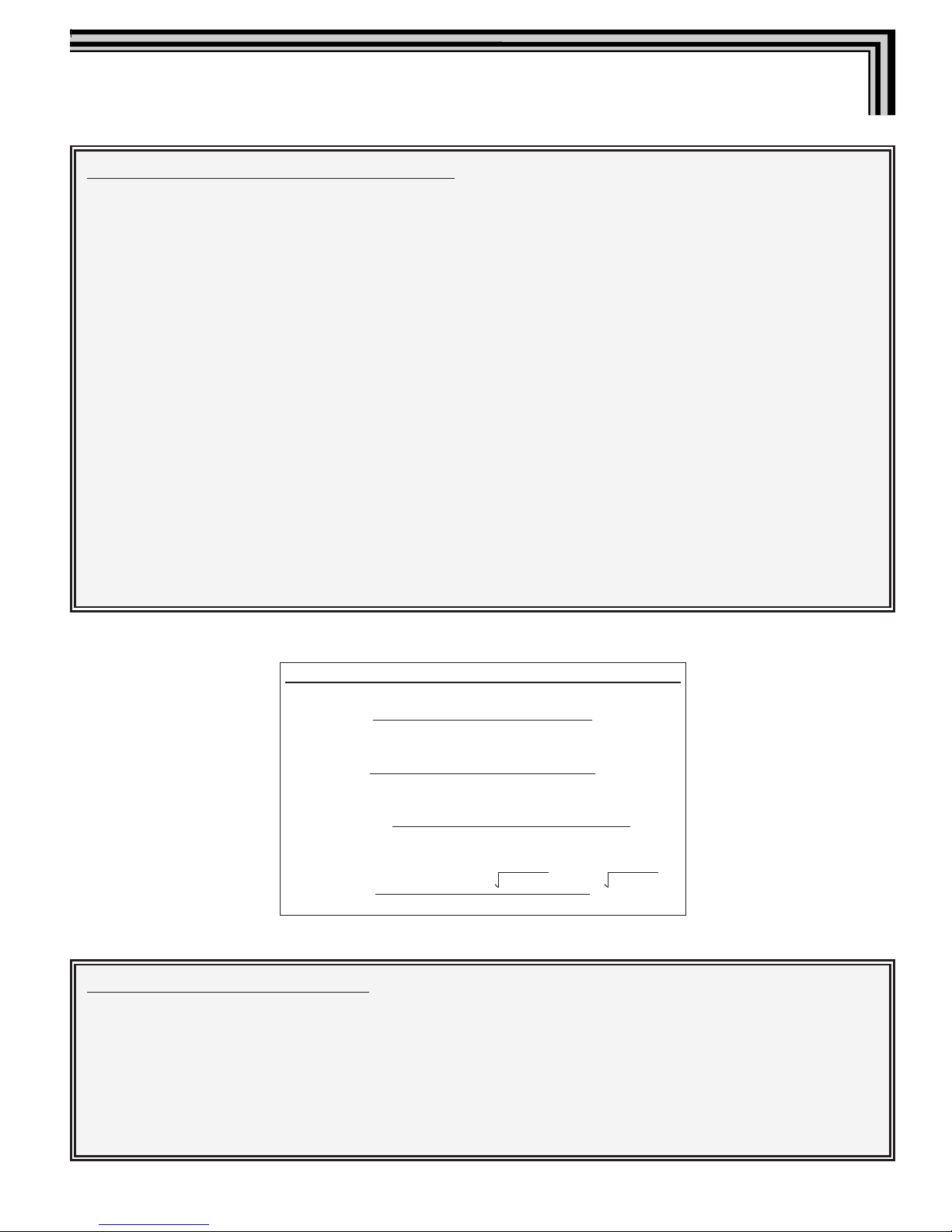
T C A L C U L AT E M E AT S H R I N K A G E
STARTI G WEIGHT (Weight of Raw Product)
-MINUS: E DI G WEIGHT (Weight of Cooked Product)
E Q UA L S : A MO U T O F S HRI KA GE
AM OU T OF SH RI KA GE ( Tot al We ig ht L os t in C ook in g)
÷ D I V I D E D B Y: STARTI G WEIGHT (Weight of Raw Product)
E Q UA L S : PER CE T OF SH RI KA GE
E X A M P L E : Raw Beef Roast: 10 0 l b (4 5 k g)
Cooked Beef Roast: -9 5 l b ( -4 3 k g)
= AM UNT F SHRINKAGE: 5. 0 lb ( 2 kg )
SHRI KAGE DIVIDED BY 0.05 = 5% 0.05 = 5%
STARTI G WEIGHT: 100 5.0 45 2.0
E Q UA L S :PERCENT F SHRINKAGE
L W T E M P E R AT U R E C K I N G FAC T S
SHRINKAGE C NTR L AND C KING TIME
THERE ARE TWO MAJOR FACTORS CONTROLLING
MEAT SHRIN AGE OR COO ING LOSSES.
1. Temperature at which meat is cooked:
The higher the temperature at which meat is cooked
the more shrinkage will result. Over-cooked meat
also results in higher losses. Higher temperatures
and over-cooking draws moisture to the surface and
this moisture evaporates or drips out of the meat.
2. Internal temperature of the meat:
Like over-cooking, as meat is brought to a higher
internal temperature shrinkage is increased. For
these two reasons, it is suggested most cuts of red
meat be cooked at 250°F (121°C) and that all cooking
be based on internal product temperature. The use
of a thermometer is encouraged.
THERE ARE FOUR MAJOR FACTORS INVOLVED IN
DETERMINING COO ING TIMES FOR MEAT:
1. The degree of aging on the meat:
Aged meat will cook faster, shrink more, and has a
much shorter holding life than fresh meat.
2. Internal temperature before cooking:
Meat should be placed in a preheated oven directly
from a refrigerated temperature of 38° to 40°F
(3° to 4°C). Meat cooked from a frozen state will
require approximately one and one-half to two times
the normal cooking time. In addition, freezing
ruptures tissue cells creating additional moisture
loss during the cooking process and will result in
more shrinkage.
3. Desired degree of doneness:
The higher the degree of internal temperature
required, the longer the necessary cooking time.
Cooking times in this guideline are based on the
most popular internal product temperatures.
4. Quantity and quality of product.
PREVENTING BACTERIA GR WTH
The surface of raw meat may become contaminated
in processing, handling by the butcher or chef, or by
other means. Food contamination can also be caused
by unsanitary personal hygiene and work habits,
unclean slicers, knives, and probes, or by faulty
operational procedures. It is important, therefore, that
sanitary procedures be followed at all times during
food preparation and handling. This is your main
protection in guarding against food contamination. For
additional information see the Cleaning and
Maintenance section of this manual.