4 Operating Instruction Pick www.sihga.com
SIHGA®GmbH I Gewerbepark Kleinreith 4
•A- 4694 Ohlsdorf bei Gmunden
•Tel +43 7612-74370-0
•Fax +43 7612-74370-10
SECURITY IN WOOD CONSTRUCTION GUARANTEES EXTRAORDINARY RESULTS
www.sihga.com
2 Safety information
The following safety information must be observed in all cases:
2.1 General safety information
a) The maximum load-bearing capacities stated take safety factors into account according to EN 13155:2009.
b) All persons, who work with the Pick, must know and observe the safety information in the operating
instructions.
c) The manufacturer is not liable for damage arising from non-compliance with the instructions.
d) The Pick has been designed in accordance with the recognised technical safety regulations. However, in
the event of non-compliance with the operating and safety instructions during use, dangers can arise,
which may lead to irreversible injuries or death.
e) If possible, perform a listening test during the lifting process. If there are „cracking noises“, the load must
immediately be placed on the floor and must no longer be raised.
f) Every time a load is lifted, perform a sight inspection as to whether the Pick has a force-locking
connection with the component or has slipped out.
g) With regard to the risk of injury, safety gloves and PSE must be used according to the occupational health
and safety requirements.
h) Warranty and liability claims due to personal injury or material damage are excluded in the event of the
operating instructions being disregarded.
2.2 Prerequisites for use
a) For an appropriate test before first use (Section 7.1)
b) For correct use (Section 3)
c) Use of authorised expert personnel
d) For the specified angles and loads (according to Section 5)
e) For fault-free Pick
f) For successful tests (Section 7.2 and 7.3)
g) Up to 20,000 load changes
3 Correct use
The load attachment exclusively serves the lifting of glue laminated, cross laminated and solid timber carriers (hereinafter referred
to as components) made from spruce, fir, pine and larch. Timber with very strong resin content, such as pine and larch, and grain-cut
attached walls may only be lifted at an angle of ≥ 5° to the drill hole axis and with multiple lines. Only one component may be raised per
lift. The correct use is specified below.
3.1 Lifting process
a) The duration of the lifting process may not be more than a reasonable period for the loading and unloading
process.
b) Use of the Pick and manipulation of the load may be performed exclusively by trained and qualified expert
personnel.
c) Before lifting a component, always ensure that there are no tools or other loose parts on the component.
d) The lifted goods must always be transported slowly and carefully.
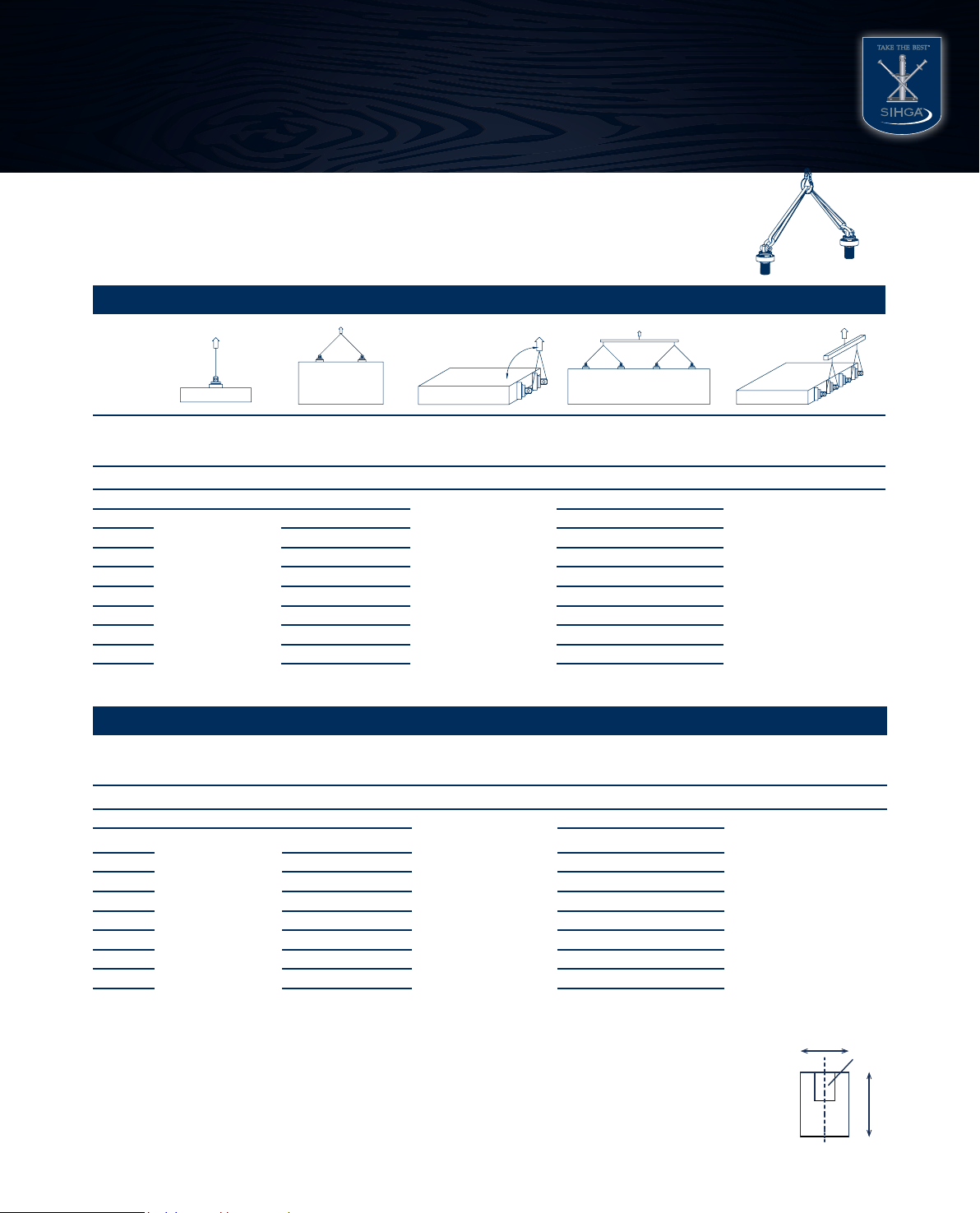
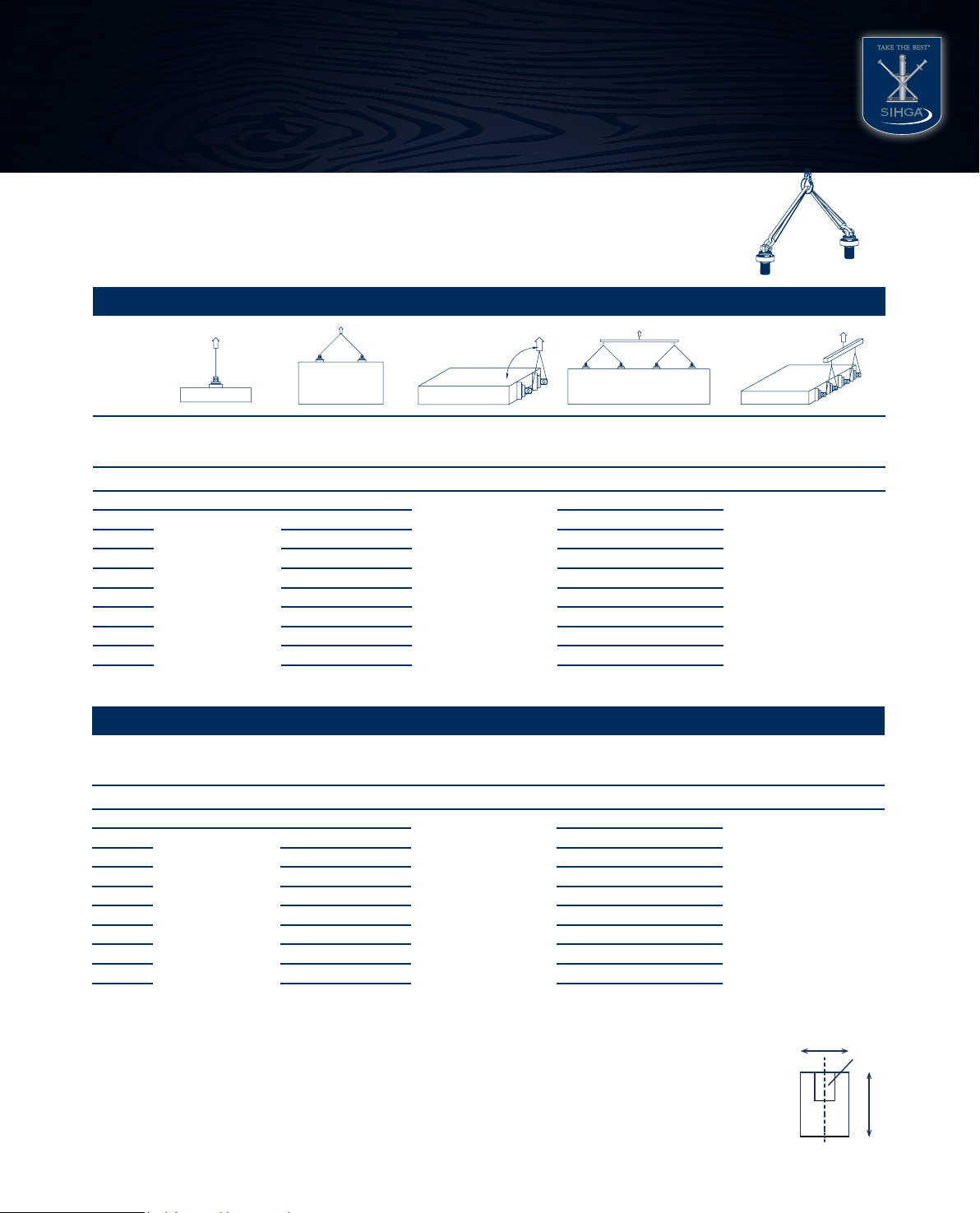
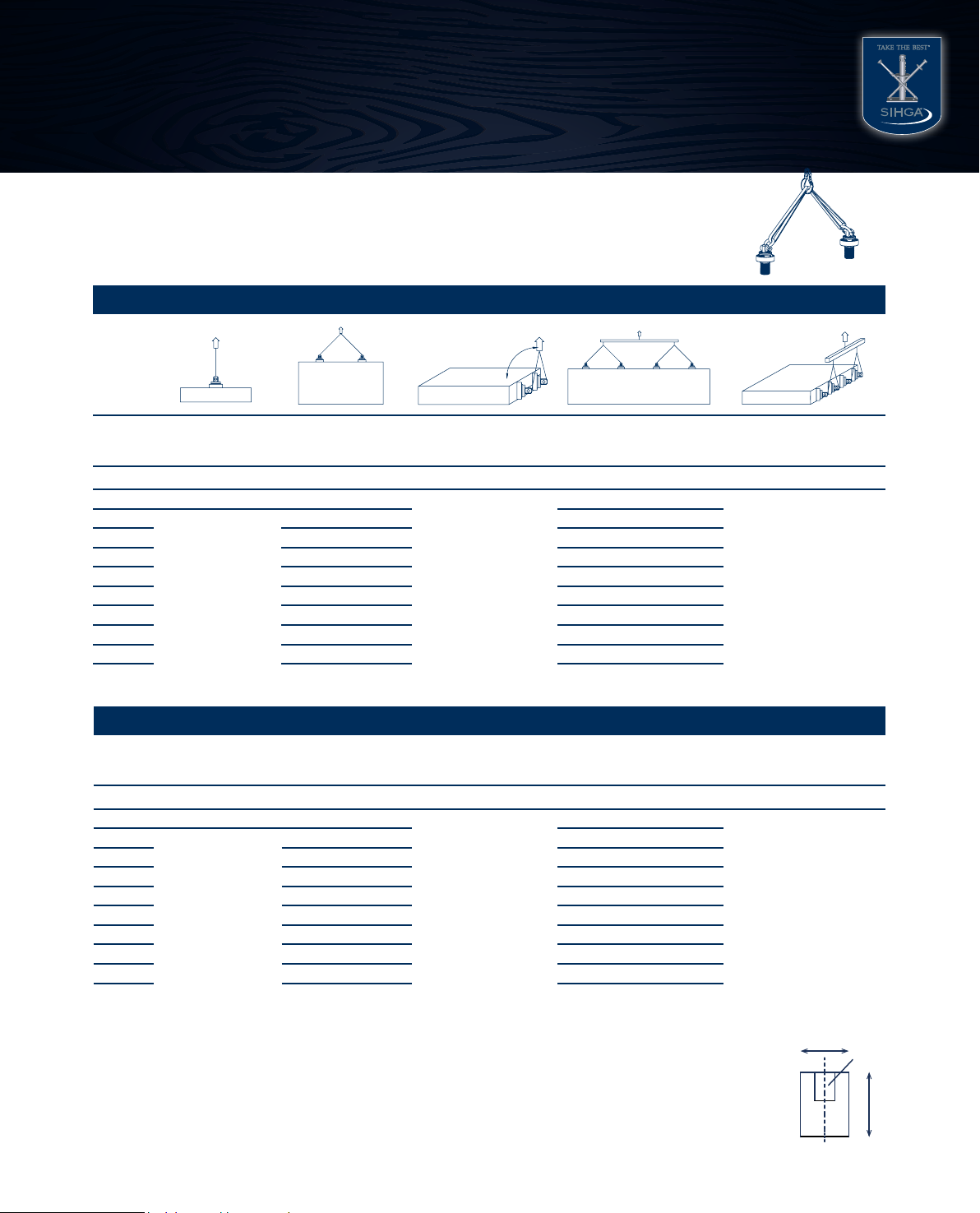
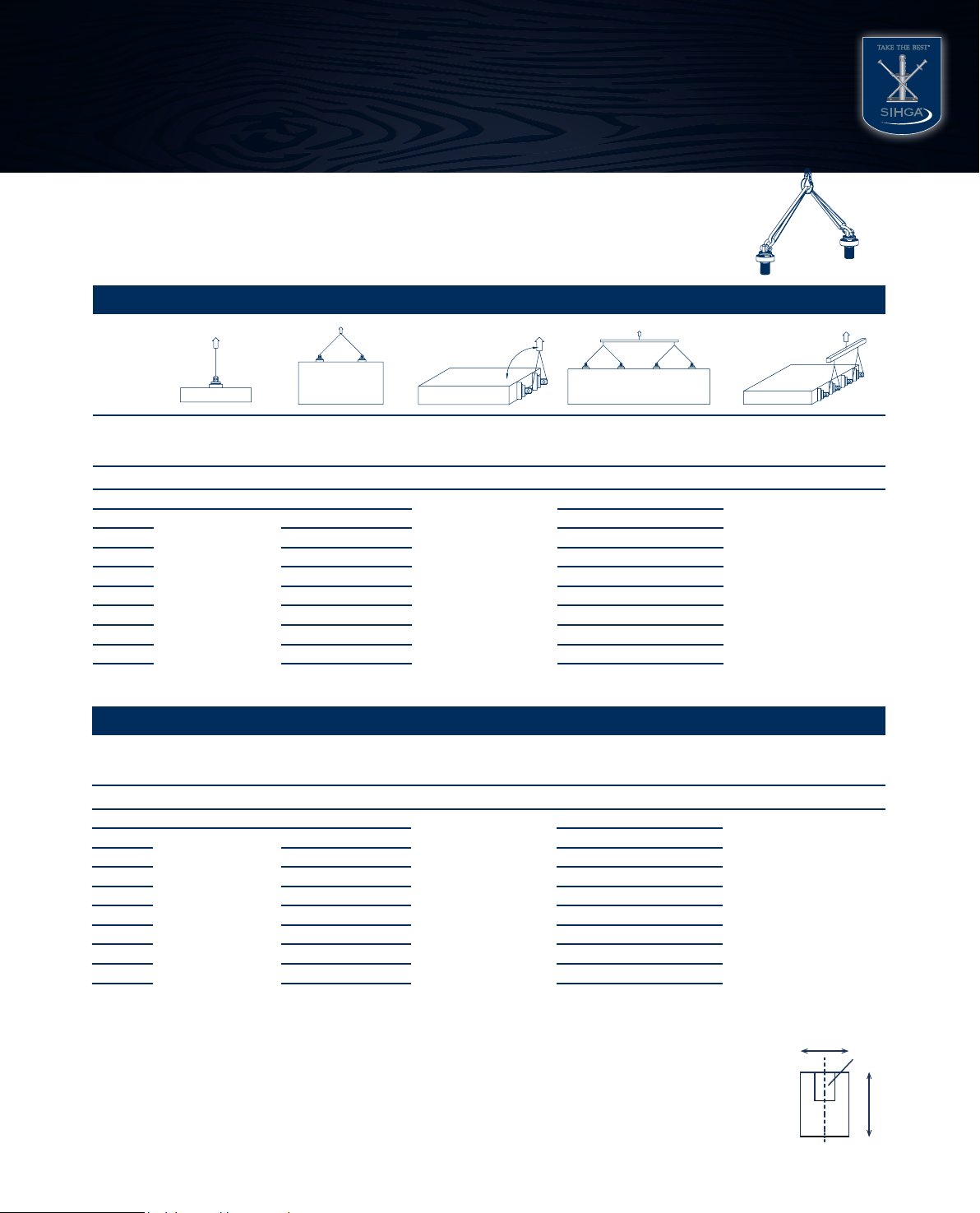
e) The load-bearing capacity stated on the device is the maximum load that may be attached. However,
depending on the application, the maximum load must correspond to the load chart in Section 5.3. The
angle of the loading direction in the respective applications must be observed.
f) Standing under a suspended load is not permitted.
g) The user may only start to move a load when they are convinced that the load has been attached correctly.
h) When hanging the Pick, the user must ensure that the Pick can be operated such that the user is not at
risk either from the device itself or from the carrier or the load.
i) The Pick can work in an ambient temperature between –10°C and +80°C. For work under extreme
conditions, the manufacturer should be consulted.
j) The Pick must not come into contact with salt or chlorine.
k) If longer components are transported, the use of two or four Picks is recommended in order to prevent
pendulum movements.
l) The accident prevention and safety requirements for the Pick of the respective country where the Pick is