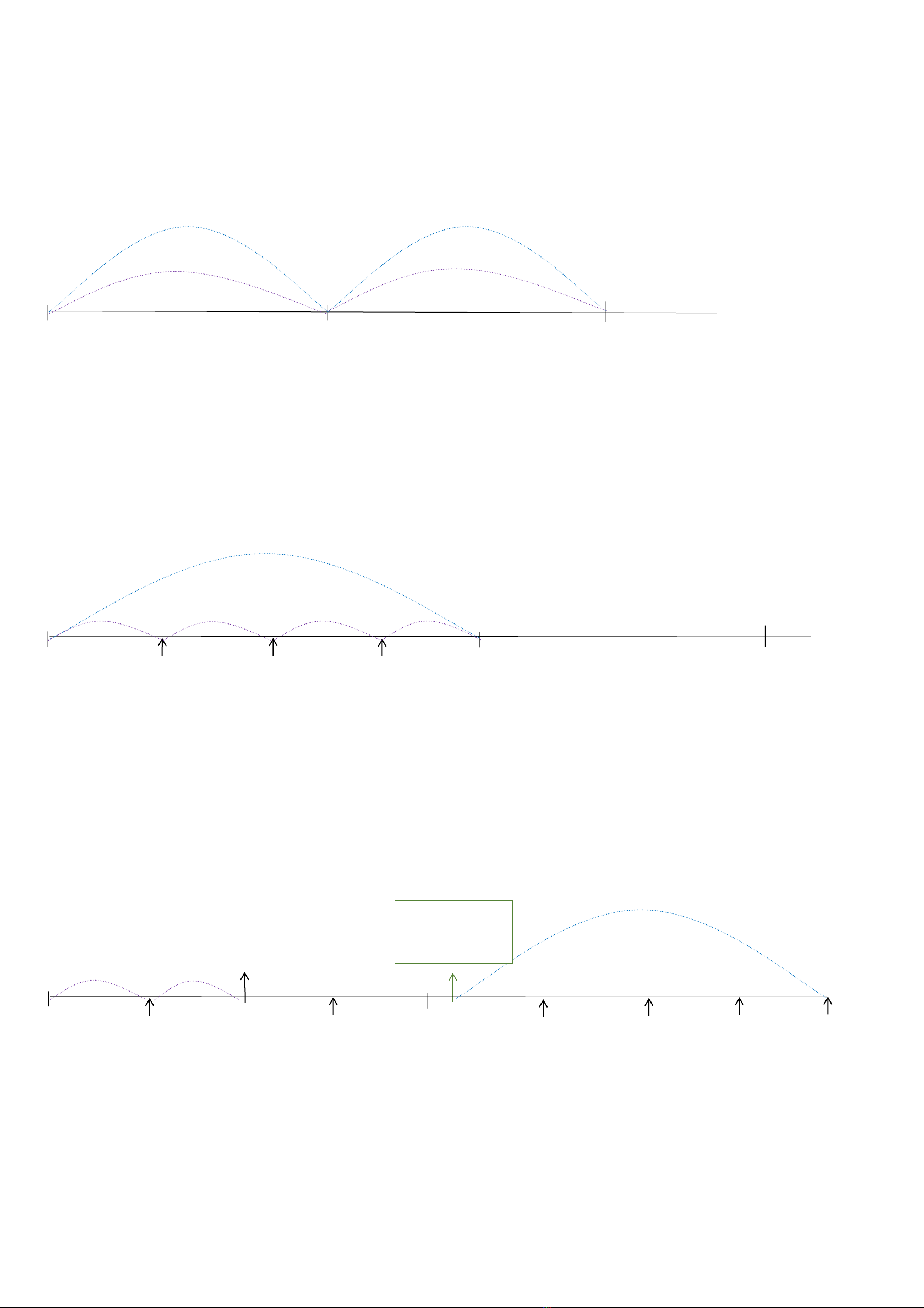
1) The device only wakes up and performs data sampling according to MinTime Interval. When it is sleeping, it does not
collect data.
2) The data collected is compared with the last data reported. If the data variation is greater than the ReportableChange
value, the device reports according to MinTime interval. If the data variation is not greater than the last data reported, the
device reports according to MaxTime interval.
3) We do not recommend to set the MinTime Interval value too low. If the MinTime Interval is too low, the device wakes up
frequently and the battery will be drained soon.
4) Whenever the device sends a report, no matter resulting from data variation, button pushed or MaxTime interval, another
cycle of MinTime/MaxTime calculation is started.
6. Installation
This product comes with waterproof function.
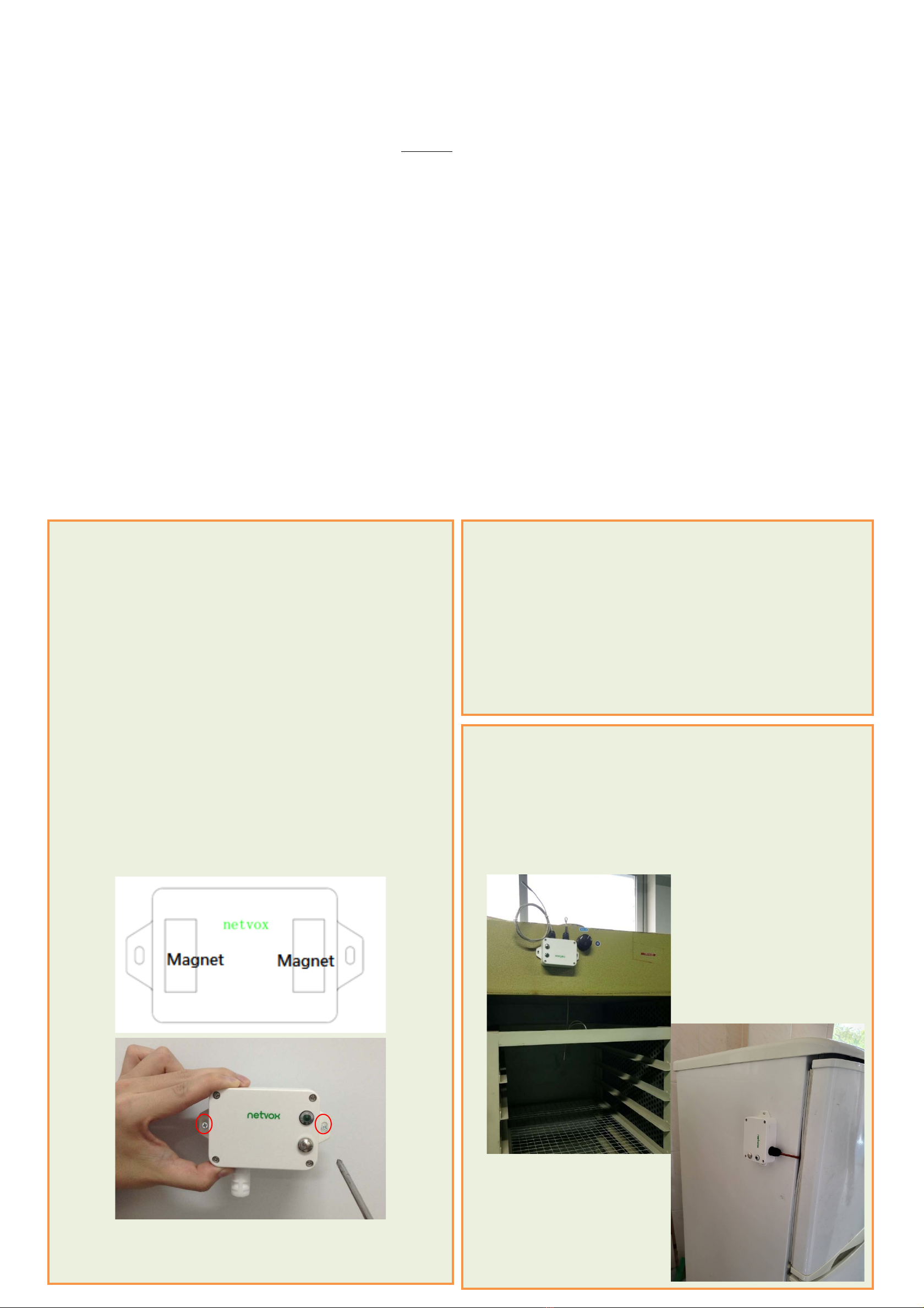
When using it, the back of it can be adsorbed on the iron surface, or the two ends can be fixed to the wall with screws.
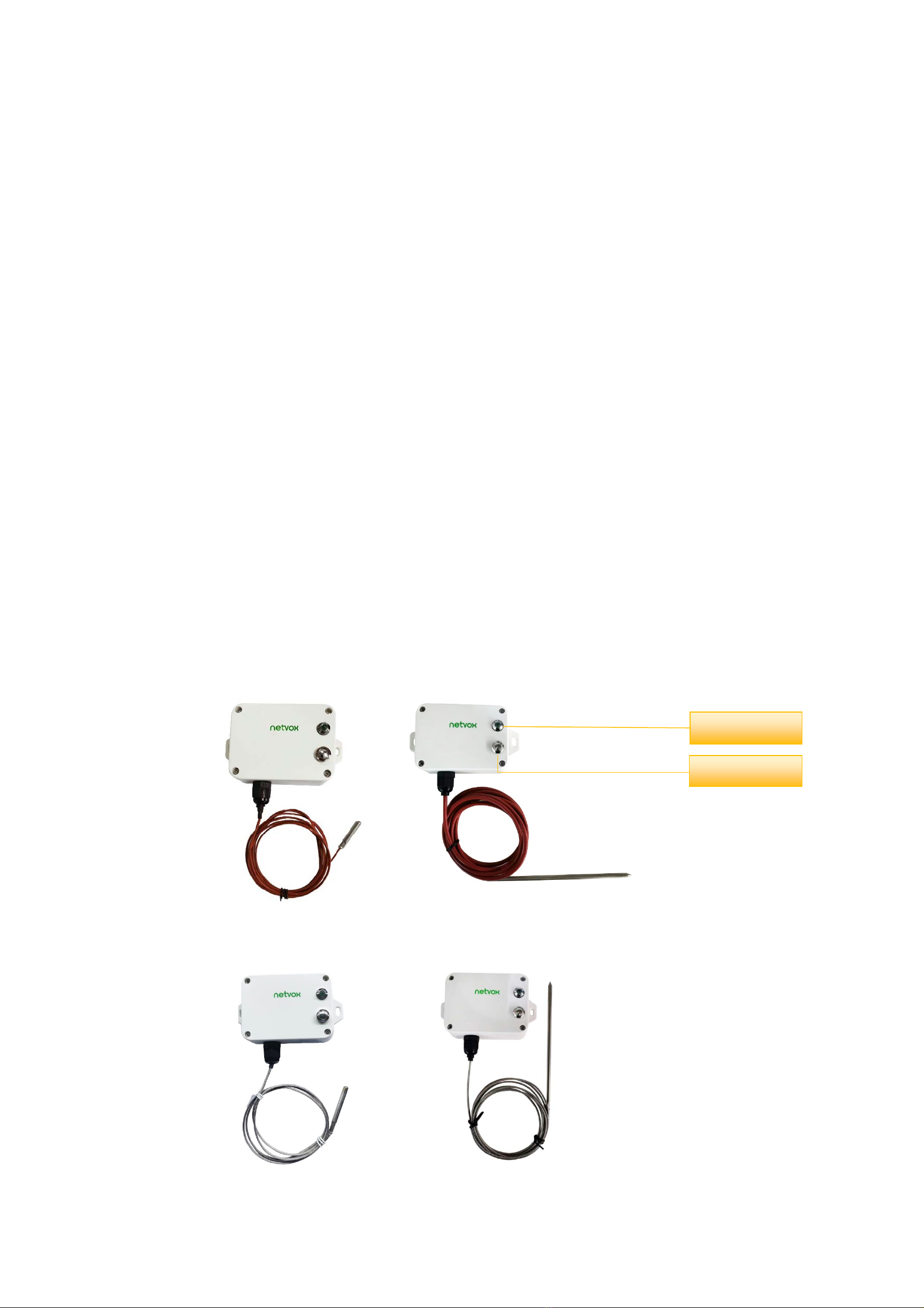
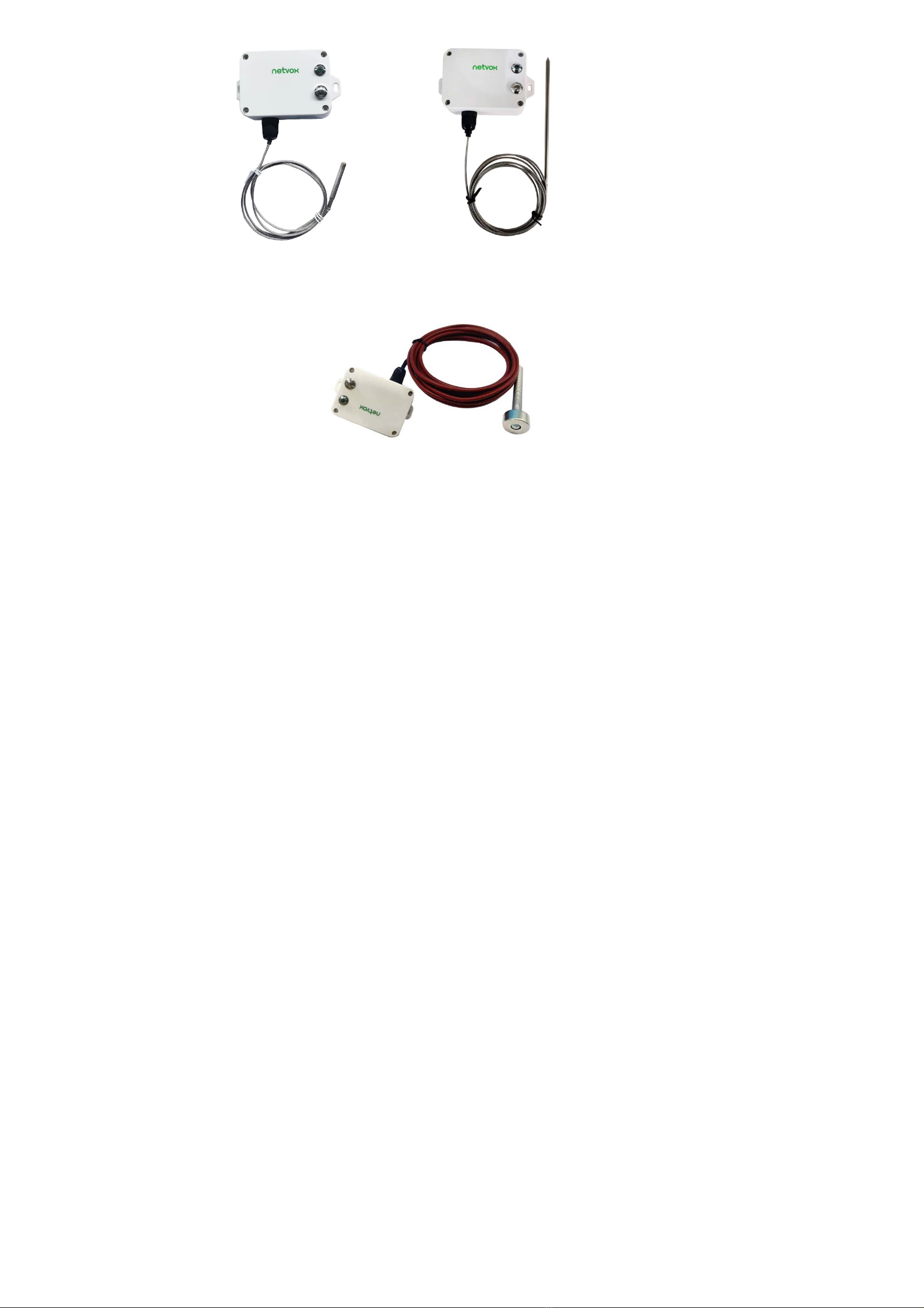
1. The Wireless Resistance Temperature Detector (R718B) has
a built-in magnet (see Figure 1 below). When installed, it can
be attached to the surface of an object with iron which is
convenient and quick.
To make the installation more secure, use screws (purchased)
to secure the unit to a wall or other surface (see below).
Note:
Do not install the device in a metal shielded box or in an
environment with other electrical equipment around it to
avoid affecting the wireless transmission of the device.
Screw hole diameter: Ø4mm
R718B is suitable below scenarios:
Oven
Industrial control equipment
Semiconductor industry
2. When R718B is compared with the last reported values, the
temperature change is exceeded 0.1°C (default),it will report
values at the MinTime interval;
If does not exceeded 0.1°C (default) ,it will report values at the
MaxTime interval;