area must match national and local
regulations.
The chimney connection
The chimney opening must follow
national and local regulations. Howe-
ver, the area of the opening should
never be less than 175 cm2, which
corresponds to a diameter of 150 mm.
If a damper is tted in the ue gas
pipe, there must always be at least
20 cm2of free passage, even when
the damper is in its “closed” position.
Wood-burning stoves must never
be connected to chimneys that are
also linked to a gasred heater. An
ecient stove makes high demand on
chimney properties – so always have
your local chimney sweep evaluate
your chimney.
Connection to a brick chimney
Brick a thimble into the chimney and
seat the ue gas pipe in this. The
thimble and ue gas pipe must not
penetrate the chimney opening itself,
but must be ush with the inside of
the chimney duct. Joins between
brickwork, the thimble and ue gas
pipe must be sealed with reproof
material and/or beading
Connection to a steel chimney
When tting a connection from a top-
output stove directly to a steel chim-
ney, we recommend tting the chim-
ney tube inside the ue gas spigot so
that any soot and condensation drops
into the stove itself rather than col-
lecting on the exterior surface of the
stove. Changing smoke outlet from
top-mounted to rear-mounted (see g.
8-15 on page 11).
For connections to chimneys that are
run through ceilings, all national and
local regulations regarding distance to
ammable material must be followed.
It is important that the chimney is
tted with roof support so that the top
panel of the stove is not required to
bear the entire weight of the chimney
(excessive weight may damage the
stove).
Draft conditions
Poor draft may result in smoke being
emitted from the stove when the door
is opened. The minimum chimney
draft to ensure satisfactory combu-
stion in stoves of this kind is 13 PA.
However, there will still be a risk of
smoke emission if the ring door is
opened during powerful ring.
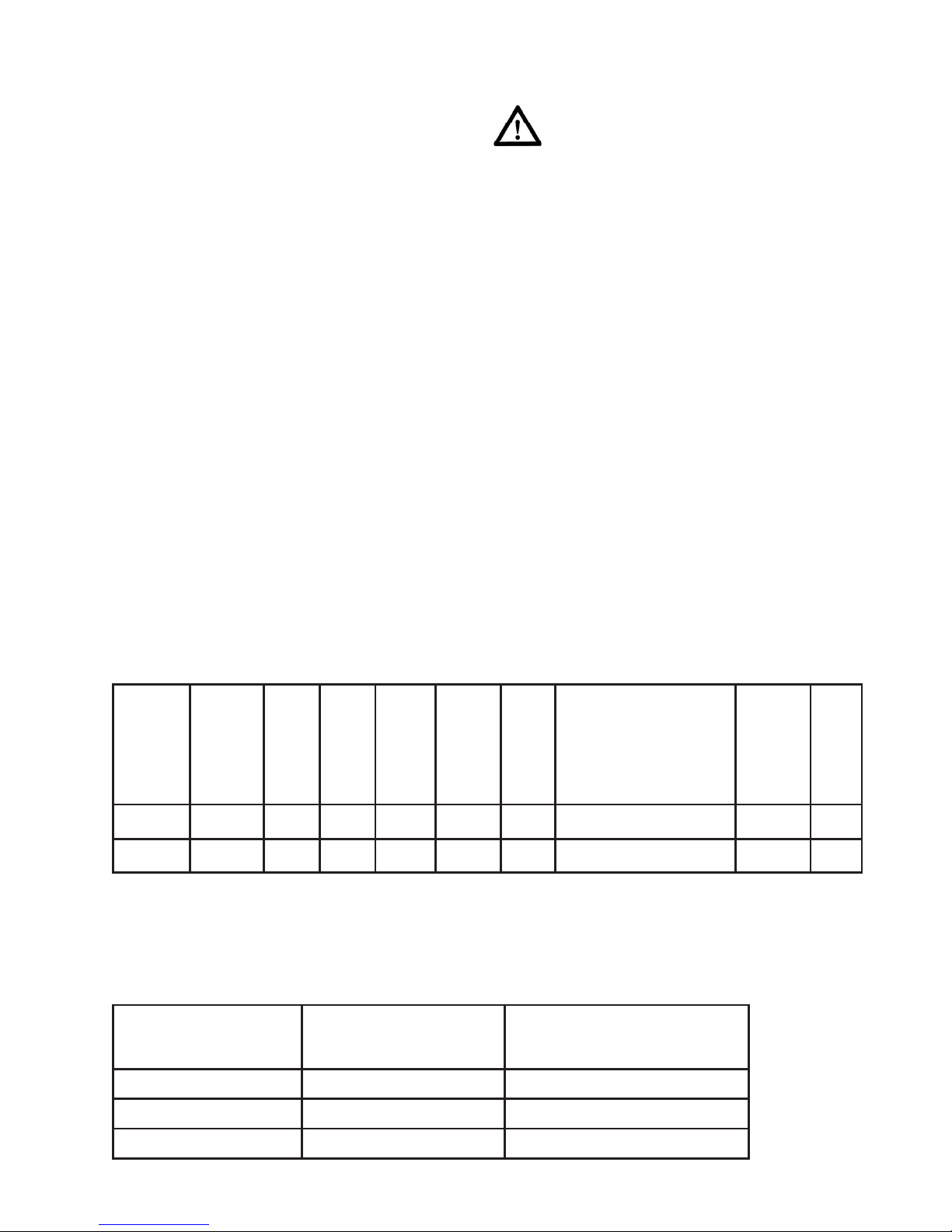
Inspire 40 / 45: The ue gas tempera-
ture at nominal output is respectively
263°C and 221°C when expelled to an
exterior temperature of 20°C. The ue
gas mass ow is respectively 3.7 g/
sec and 4.0 g/sec.
The chimney draft is generated by the
dierence between the high tempera-
ture of the chimney and the low tem-
perature of the fresh air. The length
and insulation of the chimney, wind
and weather conditions also have an
eect on the ability of the chimney to
generate appropriate under pressure.
If the stove has not been used in a
while, check that the chimney and
stove are not blocked with soot, bird
nests, etc., before using it.
Reduced draft can occur:
• The dierence in temperature
is too small – due to insucient
chimney insulation, for example.
• The outdoor temperature is too
high – in summer, for example.
• No wind is blowing.
• The chimney is too low and shel-