Basic set-up principles
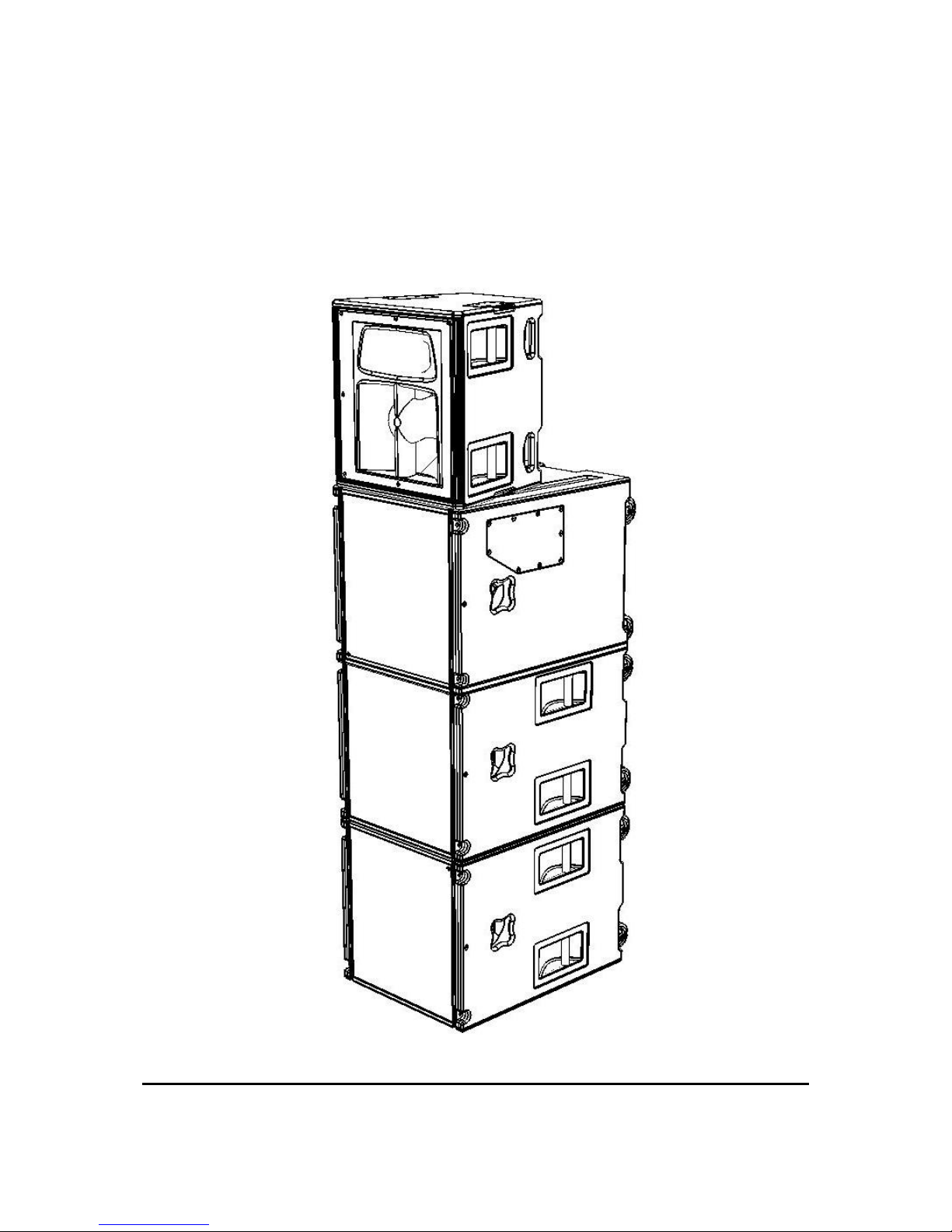
The SPL90, SPL90T, SP2-10 and SP18 are components of the Sigma Series modular, self-
powered, audio system. Many combinations of the top cabinets with SP2-10 and SP18 are
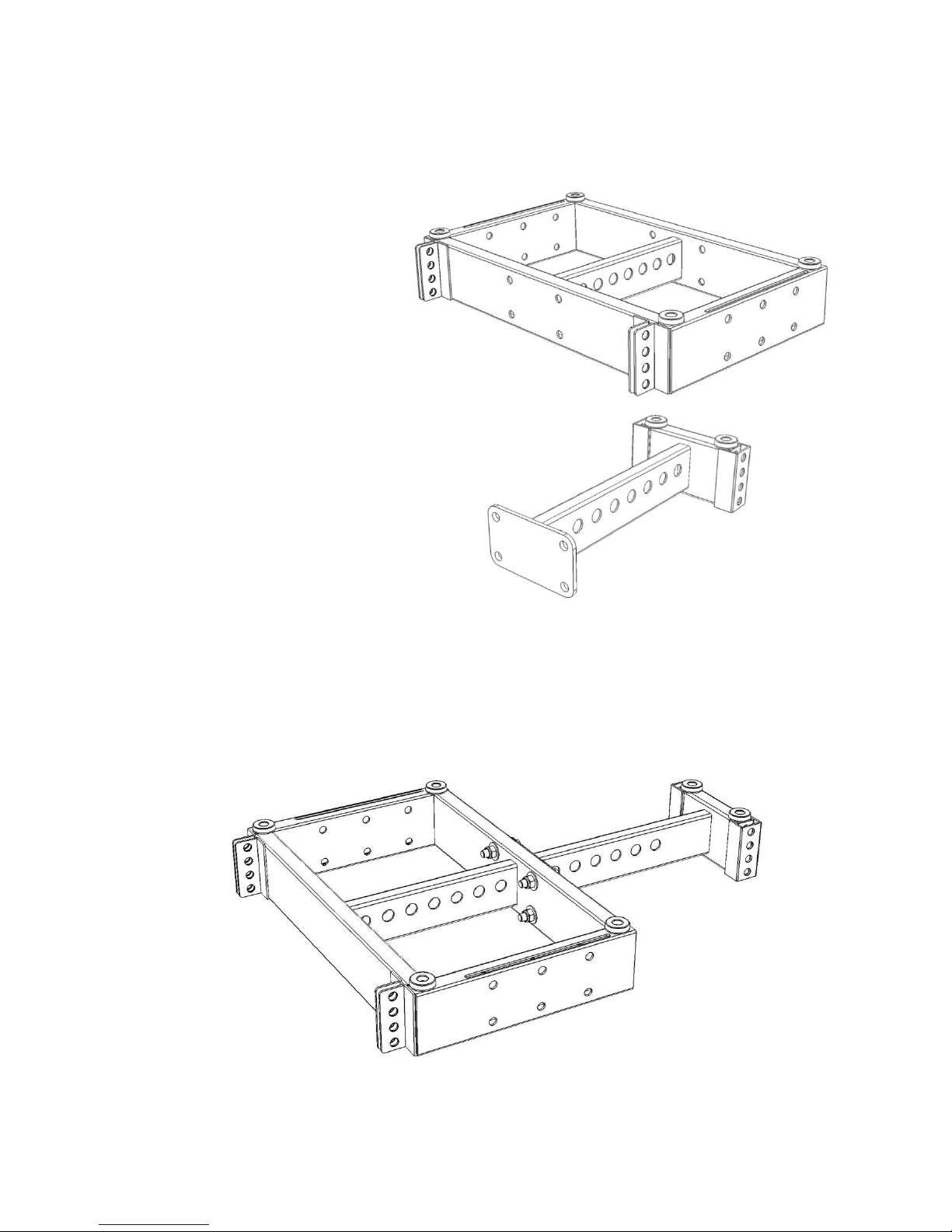
feasible. All models have integrated rigging points enabling each system to be flown by means
of pragmatic rigging hardware.
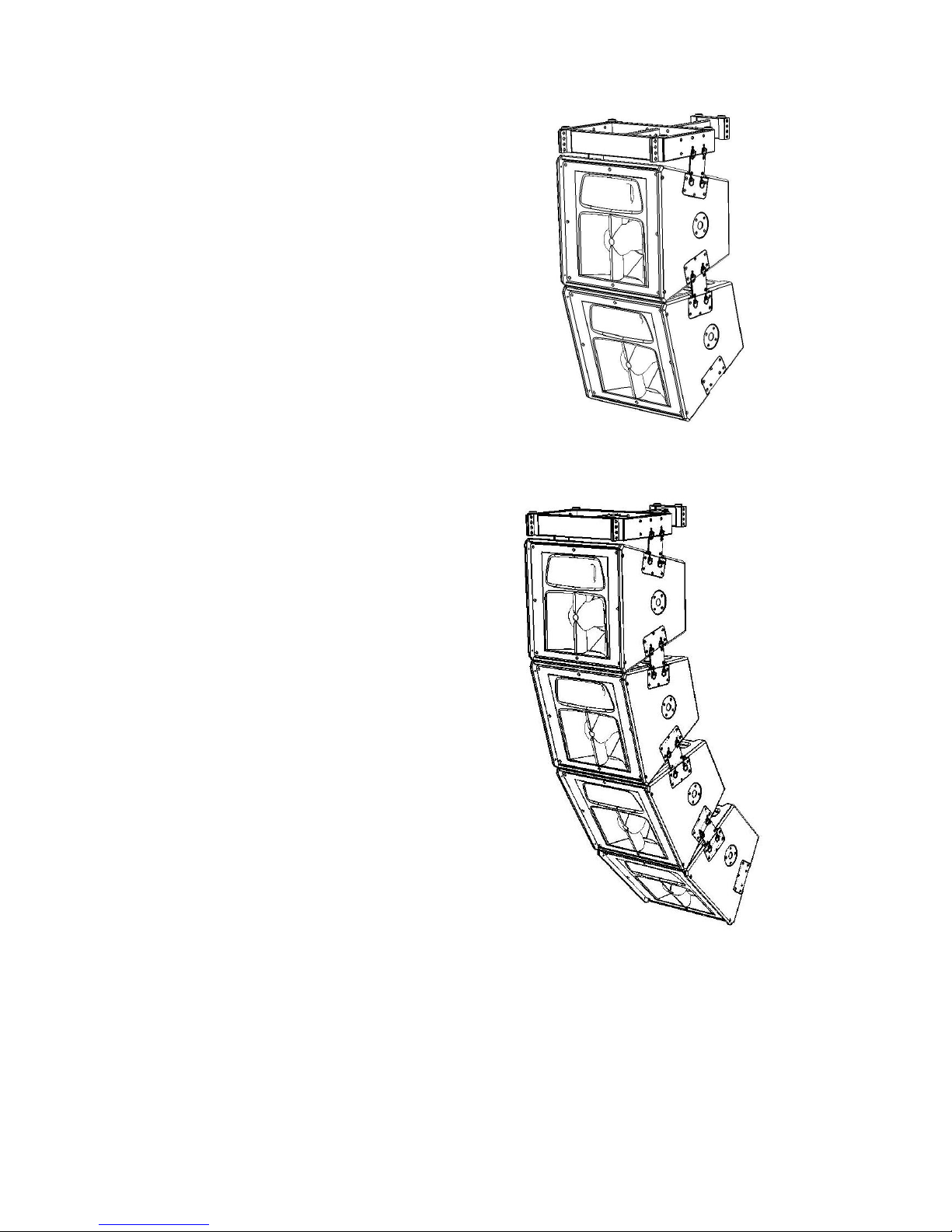
The SPL housing, originally a conventional stack design, is easily converted into a so called
virtual line array. Benefits achieved by flying multiple SPL systems opposed to stacking side by
side are achieved through minimizing overlap areas.
The hybrid design greatly enlarges functionality of the system. The trapezoidal housing of the
SPL90-T adds the advantage of a rotatable horn enabling rigging without an open splay at the
fronts of the cabinet.
Establishing proper vertical coverage of a line-array
The first step in the configuration process is to get the venue parameters and listeners positions
right. It may seem logical but a good preparation is the main time-saver in setting up any audio-
system. Once these parameters, such as distances to first and last listener positions and flying
height, are known prediction software such as SPArC™ can easily be employed to configure the
best flying position.
Establishing proper height of the rig
In general, flying a system higher will bring a more even loudness throughout the audience, and
flying at a lower position will get more loudness at the front listener positions. The highest horn
unit in the SPL array should be aimed at the furthest listening position. In many cases it might
even be preferred to aim just a little above this position.
When a line array is flown it is most logical to configure from top to bottom (far coverage to
near coverage). Therefore it might not always be possible to point the bottom array element to
the nearest listener position to be fed by the array (e.g. due to limited number of array elements).
Additional front fill is then necessary. Another situation where front fill is preferred is when the
array is flying relatively high to the first listeners position. In order to avoid 'elevator-music'
coming from above, front fills placed at stage height will place the sound image downward for
the front of the audience.
When a line array is ground stacked it is more logic to configure the array from bottom to top.
Additional front fill can still be used, however often not necessary.
Horizontal coverage
In some cases it might be necessary to use more than one array per side in order to achieve
more horizontal coverage or to be used as in-fills. An important rule applies when this situation
occurs. Instead of placing an array directly besides the first one a more suitable approach would
be to utilize a second array, which is focused on another portion of the audience and spaced at
least 6-7 meters (approximately 20 ft) away from the first array.
Given this separation, interference only occurs in the low frequency range and there are no
audible intelligibility losses for two reasons: the first main cancellation is shifted lower in
frequency (example, 28 Hz for 2 arrays of the same size, spaced 6 metres) and tends to be
masked or filled in by room reverberation; by focussing the arrays at different panning angles,
comb filtering interaction is lessened since their overlap region is reduced. In addition, the ear
cannot resolve tightly spaced comb filtering notches at higher frequencies throughout the
overlap region.