10
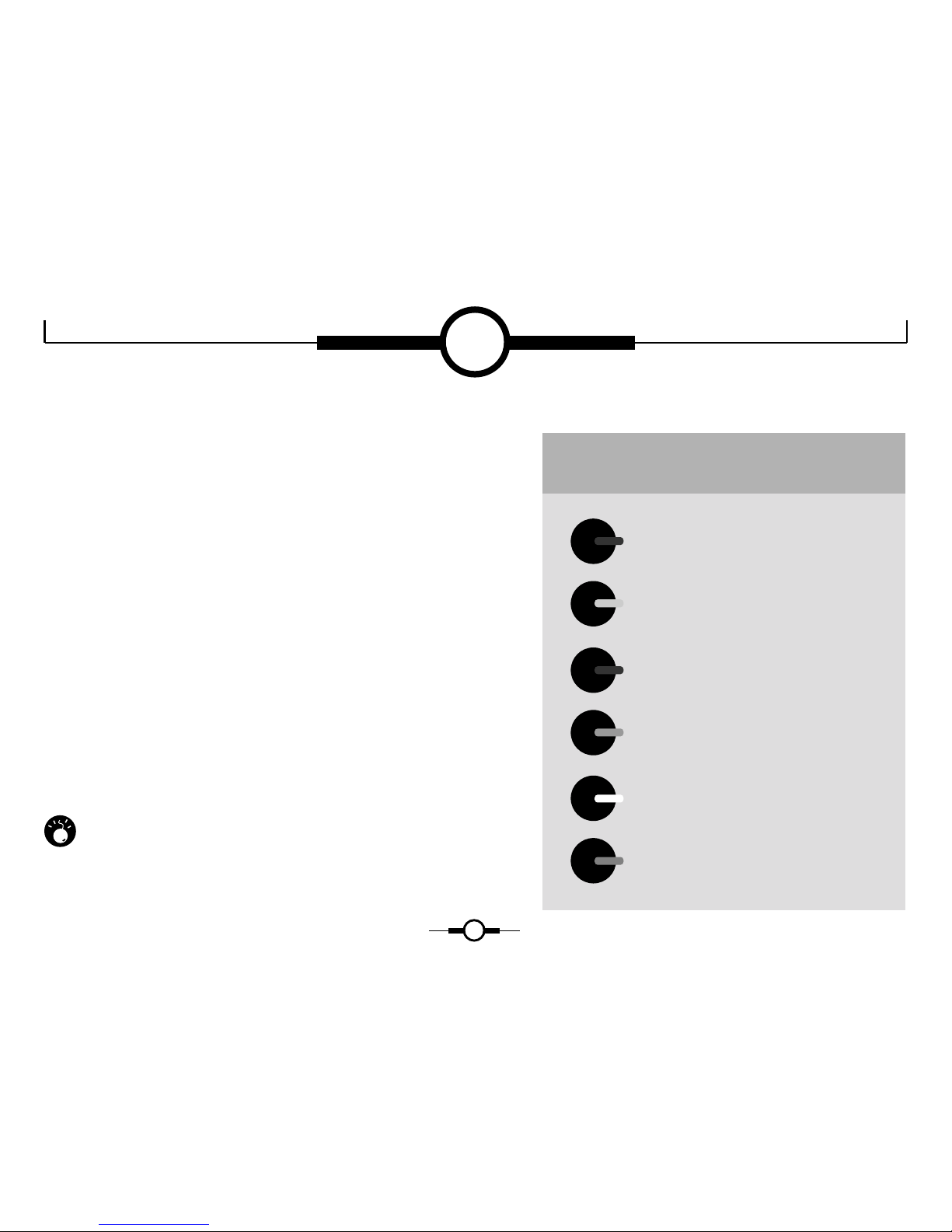
Suppose you want all frequencies to pass (Lp + Bp + Hp): set the
Lp Bp Hp balance on Bp and the correction knob halfway
-Bp+LpHp. This gives following calculation :
Bp + 0.5(-Bp+Lp+Hp)
= Bp - 0.5Bp + 0.5Lp + 0.5Hp
= 0.5Bp + 0.5Lp + 0.5 Hp
= 0.5(Bp + Lp + Hp)
You can make up for the weaker output with more input.
Fiddle around with these knobs
until you know what to expect from them !
By turning the input level up, the sound will start to distort, with
more harmonics being added at the input stage. Always remember
that too much input can push away the resonance peaks, giving you
the impression that the resonance knobs don't work properly. Try it
out, it's one of the features you should be very familiar with; on the
thin line between producing an over-the-top distorted racket and a
noisy sound with low dynamics, the FB works best. It's up to you to
find the right equilibrium.
Keep in mind that you always can adjust the balance between the
processed signal and the original signal, or compare them with the
Bypass-Effect knob.
In some frequency settings, a weak high “eee” sound can occur.
This is perfectly normal and typical for the Filterbank.
Don’t worry, it’s not broken. It’s mainly audible as as crossing over
between both filters. When the harmonics switch is not in the
“free” position, the “eee” sound in filter “1”, caused by freq of
filter “2” can be avoided by increasing the frequency of filter “2” a
bit, as this filter “2” setting is not significant anyway.
If you want to work in this sub bass range, the "eeee" can be easily
suppressed by turning down the hi eq on you mixing console.
LOWEST FREQUENCY RANGE
Our motto “Dangerous frequency range” is not a joke. Speaker
coils can actually burn when they move too slow, and have lack of
ventilation. This can happen at high volume and unhearable low
frequency. The FB can easily produce frequencies below 1 Hz. The
bottom frequency can change in different environment
temperatures. This is a disadvantage of this analog system, the
price to be payed for an extreme range. By inside adjustment, this
bottom frequency can be changed. To do this, you must open the
Filterbank and look for the trim holes marked “F1” an “F2”. With
a tiny screwdriver, you can re-adjust the bottom frequency of each
filter to your needs. Please don’t touch any other trim holes !