
IKEA SYMFONISK E1744 Manuel utilisateur

SYMFONISK


ENGLISH
FRANÇAIS
ESPAÑOL
4
8
12

ENGLISH 4
QUICK GUIDE
When the SYMFONISK sound remote is sold
together with a TRÅDFRI Gateway
(in the same package), they are already
paired.
IMPORTANT NOTE:
The SYMFONISK sound remote works only in
conjunction with TRÅDFRI gateway and can
only steer sound from Sonos speakers.
SOUND REMOTE FUNCTIONS
Play/Pause.
Press once to start or stop the music
Press twice to skip to the next track
Press three times to jump back one
song.
Volume up
Rotating the top right (clockwise) will
increase volume up to max.
Volume down
Rotating the top left (counter-clockwise)
will decrease volume to the lowest level,
but NOT turn the music off.
Additional information:
The full instruction manual and support
material can be found at http://www.ikea.com.
— Choose the country you are in. Search your
product in the search eld. Go to Assembly
Instructions and Manuals.
CARE INSTRUCTIONS
To clean the sound remote wipe with a soft
moistened cloth Use another soft, dry cloth to
wipe dry.
TECHNICAL DATA
Type: E1744 SYMFONISK sound controller
Input: 3V, CR2032 Battery
Range: 10 m in open air
For indoor use only
Operating frequency: 2405-2480Mhz
Output power: 3 dBm
Manufacturer: IKEA of Sweden AB
Address:
Box 702, SE-343 81 Älmhult, SWEDEN

CHANGING THE BATTERY
When the SYMFONISK sound remote is used
regularly and as intended, the battery will last
for approximately 2 years.
When it’s time to replace the battery, a red
LED indicator on the back of the sound remote
will ash when you use the sound remote.
Open the rear cover, and replace the battery
with a new CR2032 battery.
CAUTION!
Risk of explosion if battery is replaced by
an incorrect type. Dispose of used batteries
according to the instructions.
IMPORTANT!
— The SYMFONISK sound remote is for indoor
use only and can be used in temperatures
ranging from 0ºC to 40 ºC.
— Do not leave the SYMFONISK sound remote
in direct sunlight or near any heat source,
as it may overheat.
— The range between the SYMFONISK sound
remote and the receiver are measured
in open air. Different building materials
and placement of the units can affect the
wireless connectivity range.
Save these instructions for future use.
This device complies with Part 15 of the
FCC Rules/Industry Canada licence-exempt
RSS standard(s). Operation is subject to the
following two conditions:
(1) his device may not cause harmful
interference, and
(2) this device must accept any interference
received, including interference that may
cause undesired operation of the device.
WARNING:
Any changes or modications to this unit not
expressly approved by the party responsible
for compliance could void the user’s authority
to operate the equipment.
5

6
NOTE:
This equipment has been tested and found
to comply with the limits for a Class B digital
device, pursuant to part 15 of the FCC
Rules. These limits are designed to provide
reasonable protection against harmful
interference in a residential installation.
This equipment generates, uses and can
radiate radio frequency energy and, if not
installed and used in accordance with the
instructions, may cause harmful interference
to radio communications. However, there is
no guarantee that interference will not occur
in a particular installation. If this equipment
does cause harmful interference to radio or
television reception, which can be determined
by turning the quipment off and on, the user
is encouraged to try to correct the interference
by one or more of the following measures:
— Reorient or relocate the receiving antenna.
— Increase the separation between the
equipment and receiver.
— Connect the equipment into an outlet on
a circuit different from that to which the
receiver is connected.
— Consult the dealer or an experienced radio/
TV technician for help.
RF EXPOSURE INFORMATION
According to RF exposure regulations, under
normal operations the end user shall refrain
from being closer than 20 cm from the device.
This product includes a static magnet,
generating a magnetic eld that might
interfere with the normal operation of
pacemakers, debrillators, or other medical
devices.
Maintain a safe distance of separation between
your medical device and this device. Stop
using this device and consult your physician
or medical device manufacturer if you believe
that it is interfering with your medical device.
7
License rights and limitations
NO RIGHTS OR LICENSES, EXPRESS NO
RIGHTS OR LICENSES, EXPRESS OR IMPLIED,
ARE GRANTED TO USE THIRD-PARTY
DEVICES IN COMBINATION WITH THESE
PRODUCTS IN A WIRELESS MESH NETWORK,
OR TO USE THIRD-PARTY SERVICES TO
ACCESS, MONITOR OR CONTROL THESE
PRODUCTS IN A WIRELESS MESH NEWORK
VIA THE INTERNET OR ANOTHER EXTERNAL
WIDE AREA NETWORK.
For use pursuant to U.S. Patent Nos.:
US 6,914,893
US 7,697,492
US 8,964,708
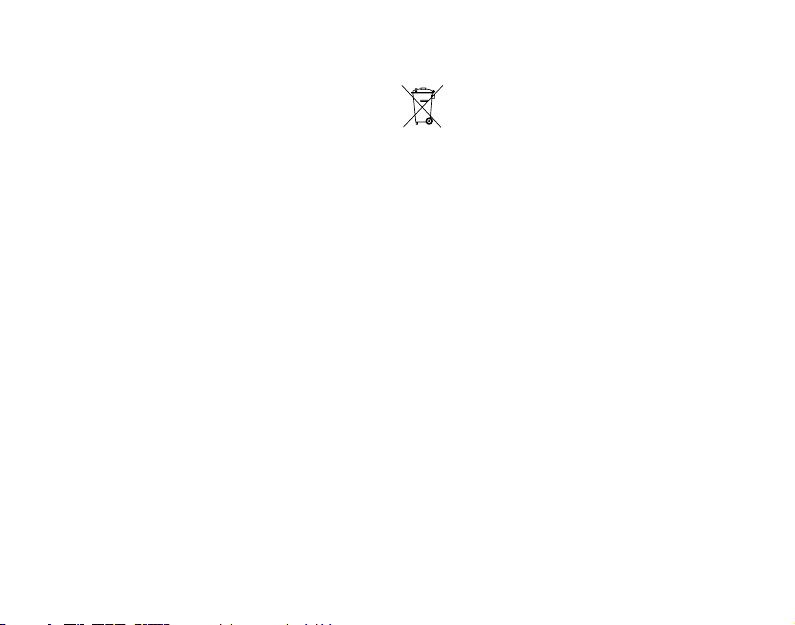
The crossed-out wheeled bin symbol indicates
that the item should be disposed of separately
from household waste. The item should be
handed in for recycling in accordance with
local environmental regulations for waste
disposal. By separating a marked item
from household waste, you will help reduce
the volume of waste sent to incinerators
or land-ll and minimize any potential
negative impact on human health and the
environment. For more information, please
contact your IKEA store.

FRANÇAIS 8
GUIDE RAPIDE
Si la télécommande volume SYMFONISK
est vendue dans le même emballage que la
passerelle TRÅDFRI, les deux sont appairées.
INFORMATION IMPORTANTE :
La télécommande volume SYMFONISK ne
fonctionne qu'avec la passerelle TRÅDFRI et
permet de contrôler le volume des enceintes
Sonos uniquement.
FONCTIONS DE
LA TÉLÉCOMMANDE VOLUME
Lecture/pause
Pour lire ou arrêter la musique, appuyer
une fois.
Pour passer à la piste suivante,
appuyer deux fois.
Pour revenir à la chanson précédente,
appuyer trois fois.
Augmenter le volume
Tourner la partie en haut à droite, dans
le sens des aiguilles d'une montre, pour
augmenter le volume au maximum.
Baisser le volume
Tourner la partie en haut à gauche,
dans le sens inverse des aiguilles
d'une montre, pour baisser le son au
minimum, sans éteindre la musique.
Informations complémentaires :
Le manuel d’instruction est disponible dans
son intégralité sur le site : http://www.ikea.
com.
— Sélectionner le pays. Rechercher le produit
en saisissant son nom dans le champ de
recherche. Cliquer sur l’onglet « Montage et
documentation ».
INSTRUCTIONS D'ENTRETIEN
Utiliser un chiffon humide pour nettoyer la
télécommande volume, puis sécher à l’aide
d’un chiffon doux et sec.

9
CARACTÉRISTIQUES TECHNIQUES
Type :
télécommande volume E1744 SYMFONISK
Alimentation : 3V, piles CR2032
Portée en champ libre : 10 m
Utilisation en intérieur uniquement.
Fréquence de transmission : 2405-2480Mhz
Puissance de sortie radio : 3 dBm
Fabriquant : IKEA of Sweden AB
Adresse :
Box 702, SE-343 81 Älmhult, SWEDEN
REMPLACEMENT DE LA PILE
Dans le cadre d’une utilisation normale
et régulière, la pile de la télécommande
SYMFONISK a une durée de vie d’environ 2
ans.
Un indicateur LED rouge clignote au dos de la
télécommande pour vous indiquer quand il est
temps de remplacer la pile.
Ouvrir le cache à l’arrière de la télécommande
et remplacer la pile usée par une nouvelle pile
CR2032.
ATTENTION :
Risque d’explosion si la pile est remplacée
par une pile de type différent. Les piles
usagées doivent être mises au rebut selon les
instructions.
IMPORTANT !
— La télécommande volume SYMFONISK est
destinée à une utilisation intérieure, et à
des températures allant de 0° C à 40° C.
— Maintenir la télécommande volume
SYMFONISK à l’abri des rayons du soleil ou
de toute source de chaleur pour éviter le
risque de surchauffe.
— La portée entre la télécommande volume
SYMFONISK et le récepteur a été mesurée
en champ libre. La portée de connexion
varie en fonction des matériaux et de
l’emplacement de l'équipement à l’intérieur
du bâtiment.
Conservez ces instructions
pour une utilisation ultérieure.

10
Cet appareil est conforme à la section 15 des
règles de la FCC/aux normes RSS exemptes de
licence d’Industry Canada. Son fonctionnement
est soumis aux deux conditions suivantes :
(1) cet appareil ne doit pas causer
d’interférence nuisible et
(2) cet appareil doit accepter toutes les
interférences reçues, y compris celles
qui peuvent causer un fonctionnement
indésirable de l’appareil.
ATTENTION :
Tout changement ou modication apportés
à cet appareil sans approbation expresse de
la partie responsable de la conformité peut
rendre nulle la capacité de l’utilisateur à
utiliser cet appareil.
REMARQUE :
Cet appareil a été testé et il est conforme
aux exigences relatives aux appareils
électroniques de classe B, selon la section 15
des règles de la FCC (Commission fédérale des
communications). Ces exigences sont prévues
pour fournir une protection raisonnable contre
les interférences nuisibles dans le cas d’une
installation domestique.
Cet appareil génère, utilise et peut émettre
de l’énergie sous forme de fréquences radio.
Si l’appareil n’est pas installé ou utilisé
conformément aux instructions, il peut
provoquer des interférences perturbant les
communications radio. Il est cependant
impossible de garantir l’absence totale
d’interférences d’une installation donnée. Si
cet appareil produit des interférences nuisibles
à la réception radio/télévision, ce qui peut-
être déterminé en mettant successivement
l’appareil sous tension et hors tension, nous
conseillons à l’utilisateur d’essayer de remédier
à ce problème en suivant l’une des procédures
suivantes :
— Réorienter ou déplacer l’antenne de
réception.
— Augmenter la distance entre l’appareil et le
récepteur.
— Brancher l’appareil à une prise placée
sur un circuit différent de celui auquel le
récepteur est raccordé.
— Contacter votre revendeur ou tout
technicien radio/TV qualié pour obtenir de
l’aide.
Table des matières
Langues :
Autres manuels IKEA Système stéréo


