3
Brief Background to AIS
AIS was designed to fulfill a need for vessels to know the position, details and navi-
gational intentions of other vessels within VHF range for improved safety and
collision avoidance. Most commercial vessels are required to fit AIS transponders by
December 2004. The transponders use VHF frequencies to transmit details of their
own vessel and receive details from other vessels or navigation aid within VHF
range.
Introduction
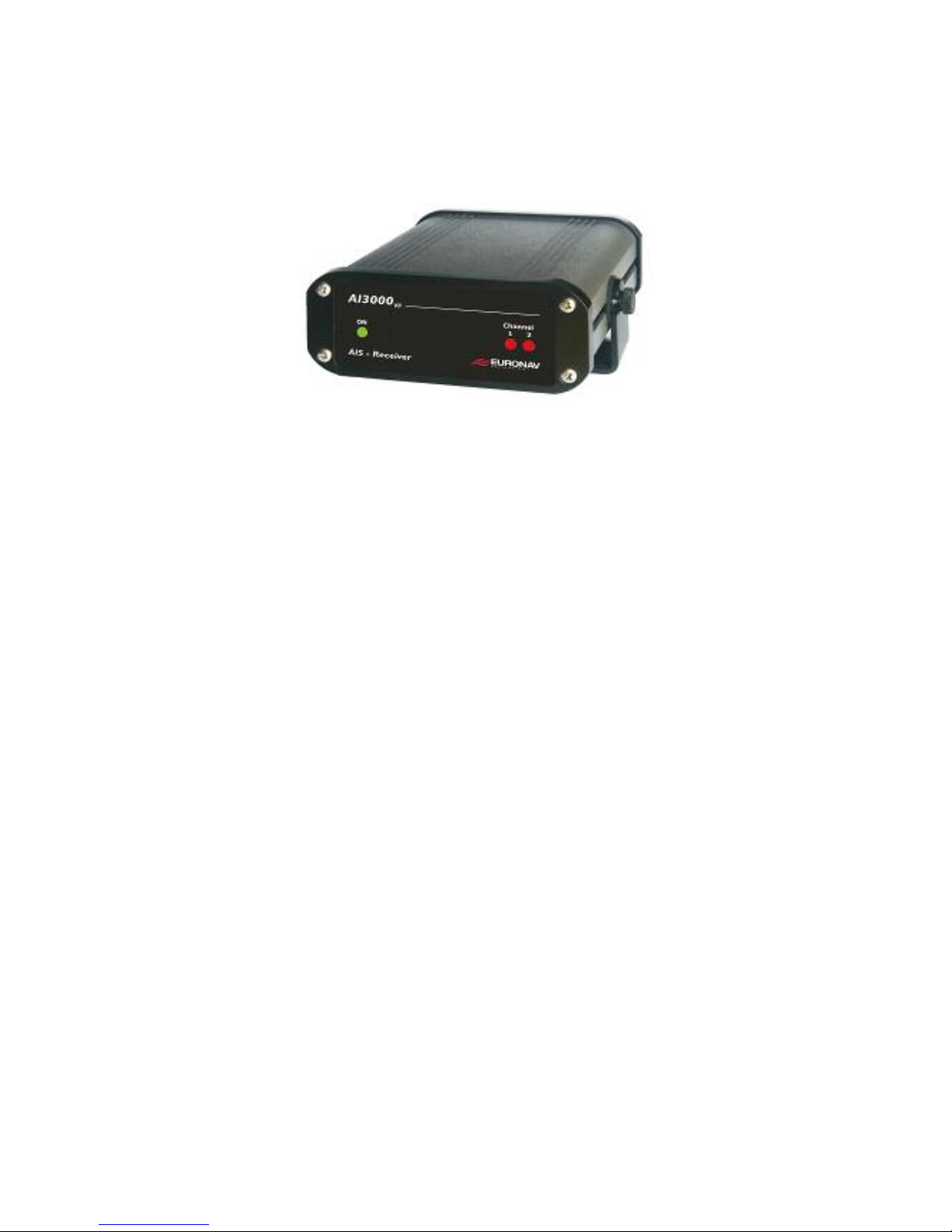
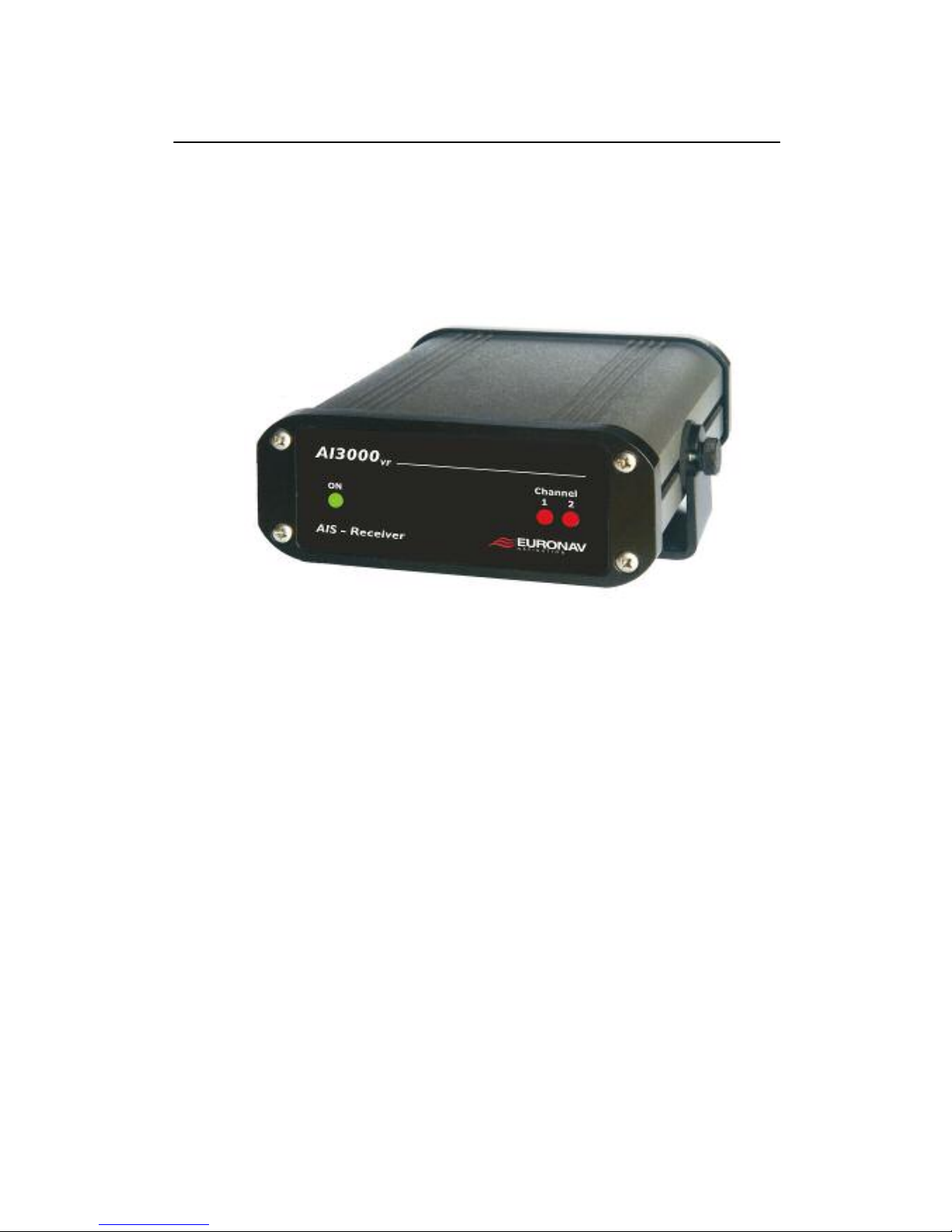
AI3000 is a low cost, high performance AIS receive only unit, that enables the recep-
tion of information from vessels fitted with AIS transponders at a fraction of the cost
of a conventional transponder.
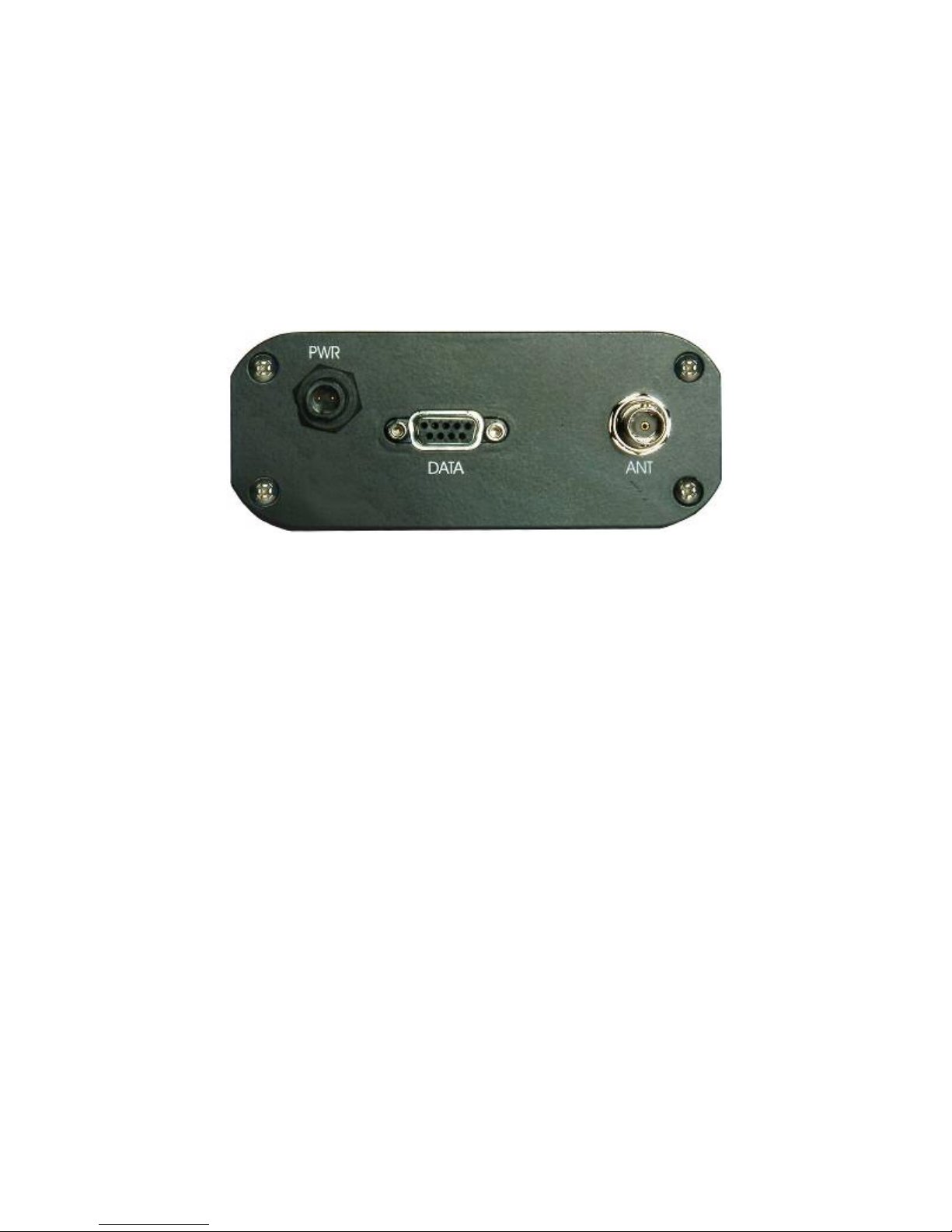
The AI3000 installation is quick and simple, requiring only the connection to a VHF
aerial (not supplied) and a computer (PC) or other device (e.g. plotter). Note these
must have software which is compatible with AIS standard output to display this in-
formation.
Information received by the AI3000 is then transmitted via the serial data cable so
that it can be displayed on compatible vessel navigation systems, vessel monitoring
or other applications.
Information transmitted from vessels fitted with class ‘A’ Transponders includes:
Static Information Dynamic Information
•Name • Vessel position
•Type of vessel • SOG
•Call sign • COG
•MMSI number • Rate of turn
•IMO number • Heading
•Draft • Status
•Size of vessel • Destination
•ETA
Note: Not all the above information is necessarily transmitted by every vessel.
Information from AIS transponders carried by most commercial / other vessels or
navigation aids are transmitted at different rates as specified below (Information
source ITU Recommendations Technical Document ITU - R M.1371 - 1);
Static information
Every 6 min or, when data has been amended, or on request.
Dynamic information
Dependent on speed and course alteration according to Table 1 and 2.