Page 10 of 8
RUNNING THE EWP®
Start engine to confirm no leakage at radiator hose or sensor and re-torque radiator hose clamps. Monitor
the engine temperature, which should take slightly longer than usual to reach steady state.
Using EWP & Fan Digital Controller instructions digitally SET the temperature of the engine. It is
recommended that initially the „set point‟ be set to approximately the mechanical thermostat opening
temperature. Generally, running the engine slightly colder will increase the power and running the engine
slightly hotter will improve the fuel efficiency. The Digital Controller has an in-built function to run the
EWP & Fan after ignition OFF and prevent engine heat soak.
Re-tighten hose clamps after a few hours operation at normal temperature and again after 20 hours running.
Check for leaks. The cabin heater may take slightly longer than normal to warm up
These installation instructions will suit most situations but there are conditions of engine design,
environment, and the kind of motoring involved, which may call for other arrangements not
described here. Advice is available from Davies, Craig and we would very much appreciate your
feedback.
If you encounter any difficulties during the installation and require further assistance, please
contact Davies, Craig on +61 (0)3 9369-1234.
CAUTIONS
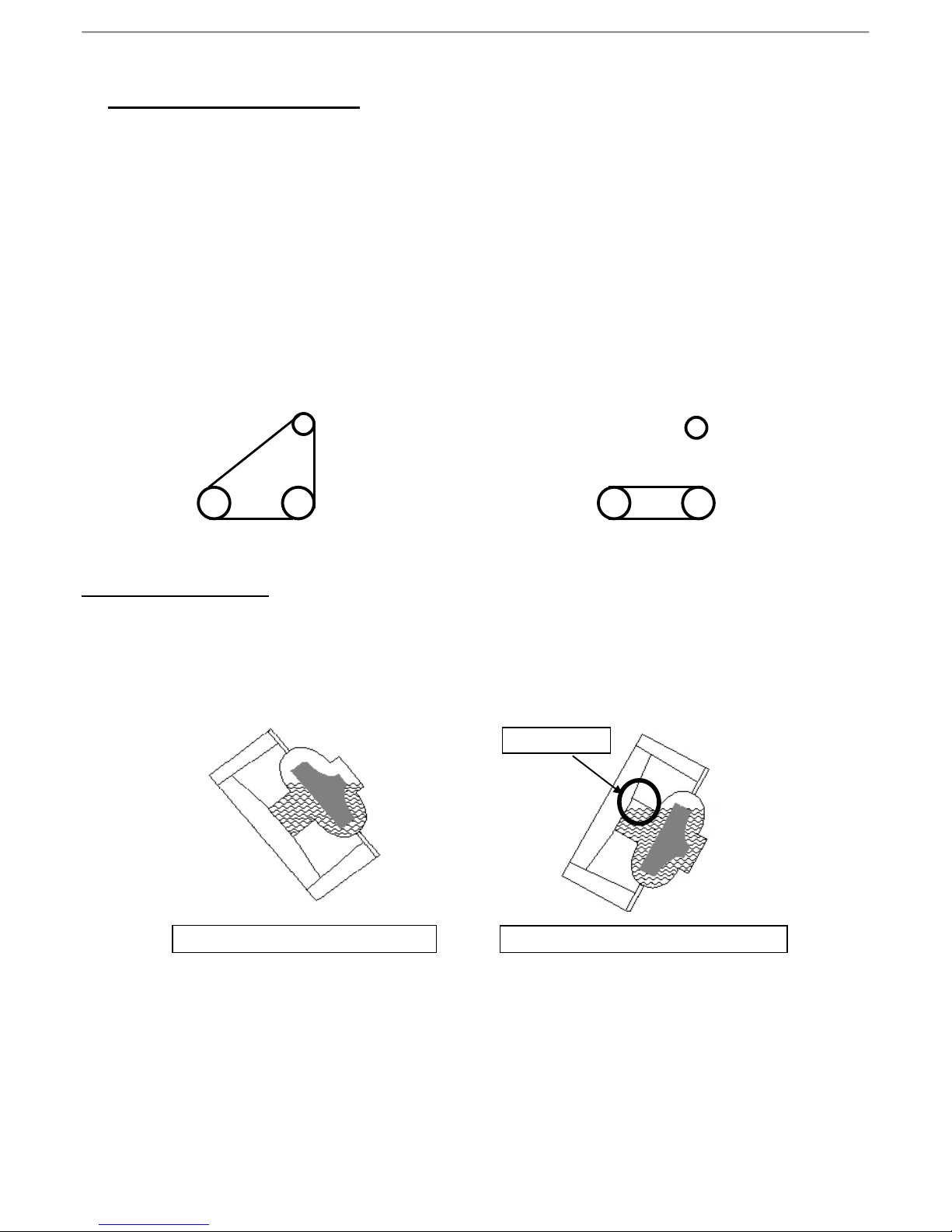
Use of the EWP®after removing the pump impeller or deleting the mechanical pump pulley from the
belt system will increase maximum engine speed. Running an engine at higher speeds than normal may
affect other engine components.
Do not run pump dry as seal damage may occur and your warranty will be void.
Engine temperature must be monitored closely at all times but especially immediately after installation
and until pump operation and capacity have been proved.
The EWP®can handle most rust particles and sludge found in cooling systems but large rust particles
should be flushed from the radiator before the EWP®is installed.
Some vehicles may require special bleeding procedures to remove air from the cooling system not
described here. The EWP must be completely flooded with coolant at all times to achieve the life
specification of the EWP and to preserve warranty.
Do not use the vehicle‟s engine management system or wiring connected to the vehicle‟s engine
management system as an ignition source because it may cause failure of the management system and/or the
electrical system. The ignition source must be a steady positive supply of 12-14V DC.
The cooling system should have antifreeze in accordance to the vehicle manufacturer‟s specification.
The EWP is a „circulation‟ pump ideal for „closed circuit‟ operation found in an automotive cooling
system. It is not a „self-priming‟ pump and therefore will not operate well without a positive „head‟ in an
„open‟ system
The impeller tip clearance is very tight for maximum efficiency, and may when new actually scrape the
pump housing causing a slight noise. The impeller will bed in over time and the noise cease.
EWPInstallation Recommendations
To ensure maximum life and optimum performance from your new EWP, Davies, Craig recommends:
If an EWPis installed on a vehicle which is kept in storage for more than 3 months, for example. a
show or race-car, it is advised that the pump be operated for approximately 5mins constant running every
month. This will minimise the build up of any sediment in the EWPand also lubricate all parts within the
pump.
For improved heater performance on vehicles which have the heater inlet (return) and outlet ports in the
mechanical pump housing (referred to in “Warnings”), Davies, Craig has developed the Electric Booster